
CASE STUDY
Cinematic Reels
University of Alberta
“In vertical, it’s the first three seconds.”
That’s how media analyst Hernan Lopez describes the compressed window of attention on social media. In the Vanity Fair article “The Next Spielberg Might Be Posting Vertical Video,” Lopez estimates that vertical-media (outside of China) will generate $150 billion in 2026, with more than 40 per cent coming from Meta’s Reels. That’s more than Netflix’s annual revenue.

Blame smart phone addiction or ever-shrinking attention spans, but the rise in vertical-video’s popularity seems to be born of convenience. Streaming platforms demand more time, choice, and effort than scrollable entertainment at your fingertips. These days, most people are choosing to scroll through Instagram or TikTok instead of tuning into a streaming platform. And let’s be honest, even when we’re on the couch watching something on TV, most of us are simultaneously scrolling.
Lopez believes it’s as simple as people not wanting to turn their phones sideways. We want instant, frictionless entertainment.
We creators have learned the hard way just how difficult it is to compete for attention in a sea of endless content. So how do you compete when all you’ve got is a three-second visual elevator pitch before someone swipes? You borrow from cinema.
Vertical video used to belong primarily to trends, dances or influencer content but lately it’s branching off into something more sophisticated. Visuals across social are embracing the art of composition and atmosphere that feels less like the usual “brain rot” and more like a short, visual story.
Stop the scroll with striking visuals (remember: three seconds)
Draw the audience in with something familiar
Tell a compelling story

Some things we’ve noticed about the content that performs best—each reel needs to do three things quickly:
A beloved account at the Adverb office is the University of Alberta’s Alumni Relations. In our Alumni strategy, our content pillars for Alumni are nostalgia and pride. Those are some pretty strong feelings we’re trying to evoke, which is why cinematic visuals make so much sense. Cinema makes us feel something immediately and strong pillars like nostalgia and pride give those visuals somewhere meaningful to land.
For our alumni content, an LRT ride became a love letter to the trip home from campus. A walk through Pembina Hall became a ghost story. A nearly empty Student’s Union Building became a dreamy memory of summers on campus.
The results speak for themselves. The LRT reel generated over 21,000 views, 1,138 reactions, 287 shares, and 99 saves. The Pembina Hall reel reached 39,500 views, while “Quiet on campus” reached 31,200 views.
The response wasn’t passive either. Many alumni shared the videos and commented on how much the videos made them miss the university—which is exactly the kind of engagement we’re looking for.
A love letter to the LRT ride home from campus.
A dreamy memory of summers on campus.
A walk through Pembina Hall.
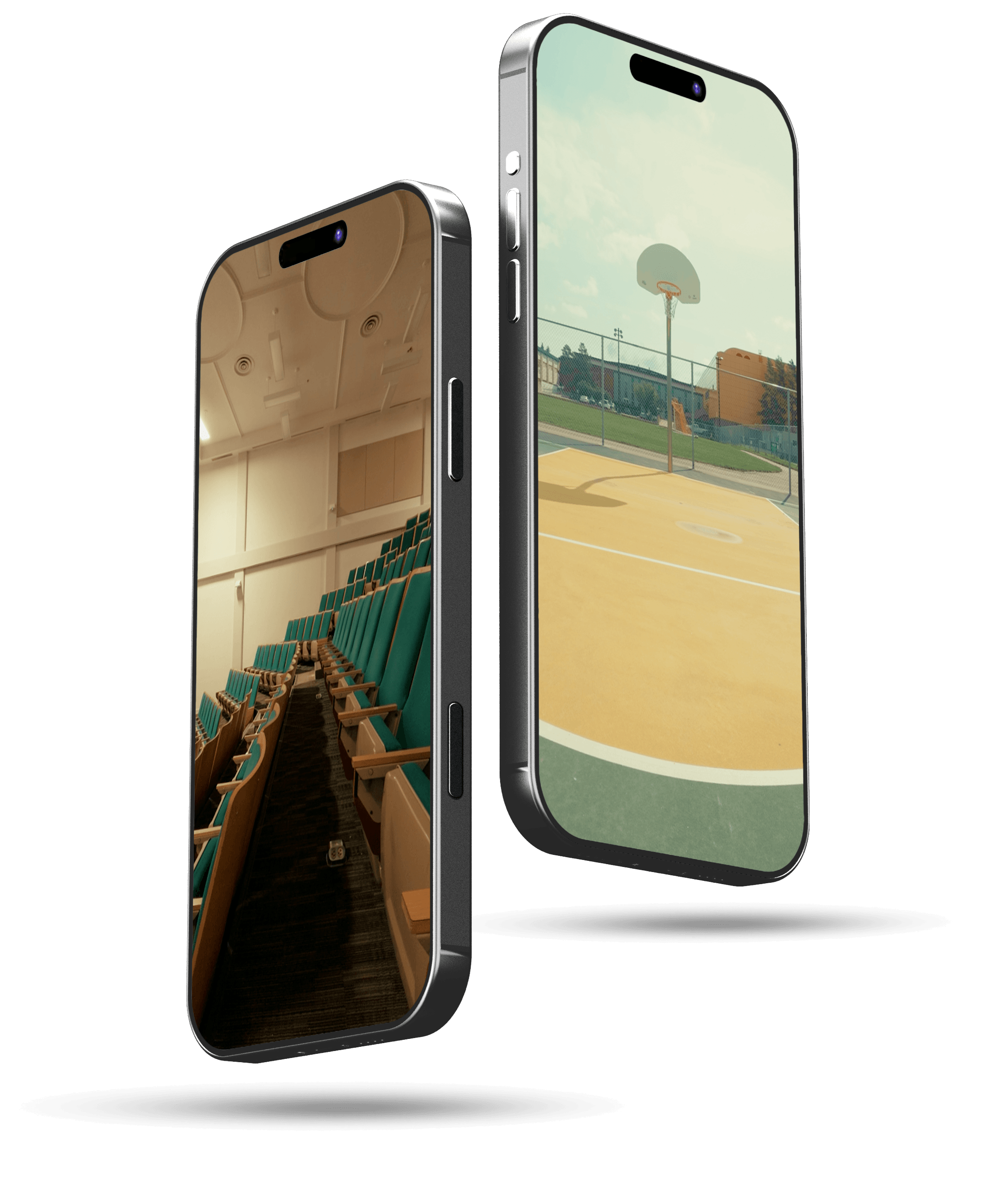
Cinematic visuals are more than aesthetic footage. The visuals can catch attention, but the real value comes in the story that accompanies them. We gave the audience something that social media doesn’t always produce in the endless scroll of distraction—an emotional experience.
For alumni, the visuals work because they’re built around something the audience already cares about: the places and rituals that makes U of A feel like it still belongs to them, long after they’ve moved on.
To get past those first three seconds, you have to give your audience more than something to look at. You have to give them something they can feel.